Introduction: When Jokes Become Assets
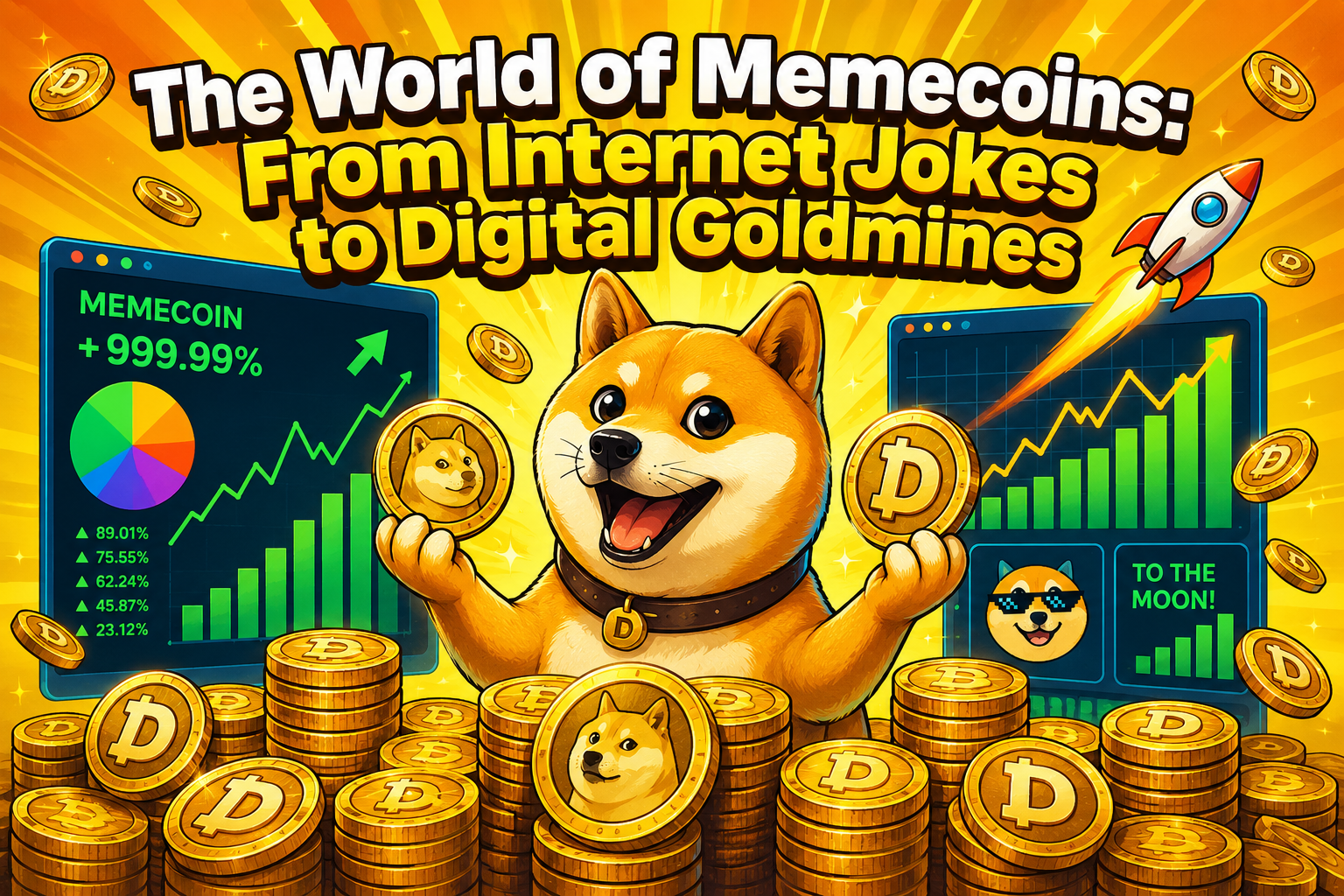
In the early days of the internet, a joke was just a joke. It lived for a few days on a forum, got a few laughs, and disappeared into the digital ether. Then came cryptocurrency, and everything changed. Somewhere between a satirical image of a Shiba Inu dog and a blockchain ledger, an entirely new asset class was born — one built not on whitepapers, patents, or revenue models, but on humor, community, and pure internet culture.
Welcome to the world of memecoins: digital tokens that started as jokes and, in some cases, turned into multi-billion-dollar markets. What began as a parody of Bitcoin has evolved into one of the most talked-about, most volatile, and most controversial segments of the entire cryptocurrency industry. Memecoins have created overnight millionaires, wiped out the savings of unsuspecting investors, dominated social media trends, and forced regulators, exchanges, and traditional finance to take notice of a market that refuses to disappear.
This article takes a deep dive into the fascinating, chaotic, and constantly evolving world of memecoins — how they started, why they matter, how they work under the hood, the psychology that drives them, the risks every investor should understand, and where this unusual corner of the digital economy might be heading next.
What Exactly Is a Memecoin?
At its core, a memecoin is a type of cryptocurrency inspired by an internet meme, joke, cultural reference, or viral trend rather than a specific technological innovation or business use case. Unlike Bitcoin, which was created to serve as a decentralized store of value, or Ethereum, which was built to power smart contracts and decentralized applications, most memecoins are launched with little more than a funny name, a mascot, and a community willing to promote it.
That doesn’t mean memecoins lack technology entirely. Most of them are built on existing blockchain infrastructure — commonly Ethereum, Binance Smart Chain, or Solana — using standard token frameworks. What sets memecoins apart isn’t the code; it’s the narrative. A memecoin’s value proposition is almost entirely social: it thrives on attention, humor, community engagement, and viral momentum rather than fundamentals like cash flow, adoption metrics, or technical roadmaps.
In many ways, memecoins represent the purest expression of speculative market psychology. Their price movements are driven less by earnings reports or product launches and more by tweets, memes, influencer endorsements, and the collective mood of online communities. This makes them simultaneously fascinating to study and dangerous to invest in without a clear understanding of the risks involved.
The Origin Story: How Dogecoin Started It All
No conversation about memecoins can begin without mentioning Dogecoin, the token that started it all. Dogecoin was created in December 2013 by two software engineers who wanted to poke fun at the wild speculation surrounding Bitcoin and the growing number of “serious” altcoins flooding the market at the time. They took the “Doge” meme — a Shiba Inu dog captioned with broken, intentionally misspelled English phrases like “such wow” and “much coin” — and turned it into a fully functional cryptocurrency, forked from Litecoin’s codebase.
The joke was supposed to be short-lived. Instead, something unexpected happened: people loved it. Dogecoin’s lighthearted branding, low price per coin, and welcoming community stood in stark contrast to the increasingly serious and technical tone of the rest of the crypto space. It became the token people used to tip each other on Reddit for good content, to fund charitable causes, and eventually to sponsor a NASCAR driver and support a Jamaican bobsled team’s trip to the Winter Olympics.
For years, Dogecoin existed on the fringes of crypto culture — a beloved curiosity rather than a serious financial instrument. That changed dramatically when high-profile public figures and business leaders began publicly endorsing it on social media, triggering explosive price rallies and turning Dogecoin into a mainstream household name. Its success proved something the crypto industry hadn’t fully appreciated before: that community and culture could be just as powerful a market driver as technology and utility.
Dogecoin’s rise laid the blueprint for an entire category of digital assets that followed in its footsteps, and it remains, to this day, one of the most recognized and traded memecoins in the world.
The Second Wave: Shiba Inu and the Rise of “Dogecoin Killers”
Where Dogecoin led, imitators followed. Shiba Inu launched in 2020, marketing itself — somewhat cheekily — as the “Dogecoin Killer.” Built on the Ethereum network rather than its own blockchain, Shiba Inu leaned even further into internet meme culture, using the same Shiba Inu dog imagery but building out an entire ecosystem around it, including its own decentralized exchange, an NFT collection, and a layer-2 scaling network.
Shiba Inu demonstrated something important: memecoins could evolve beyond being pure jokes. While the token started as a parody, its developers and community gradually added genuine utility, giving holders reasons to stay invested beyond speculation alone. This hybrid approach — start with a meme, then layer in utility over time — became a common strategy for projects trying to build longevity in an otherwise fast-moving and fickle market.
Following Shiba Inu’s success, an explosion of animal-themed and internet-culture-themed tokens flooded the market: Floki Inu (inspired by a dog owned by a well-known tech entrepreneur), Baby Doge Coin, Dogelon Mars, and countless others. Each attempted to capture lightning in a bottle by combining a recognizable meme with aggressive marketing and community-building tactics.
Pepe, Bonk, and the New Generation of Memecoins
As the memecoin market matured, new entrants emerged that reflected different eras and subcultures of internet humor. Pepe, based on the widely recognized (and often controversial) cartoon frog meme, launched in 2023 with no presale, no team allocation, and no venture capital backing — a deliberate choice meant to appeal to a community skeptical of insider-heavy token launches. Pepe’s rapid rise demonstrated that a memecoin with strong internet-native branding could achieve significant market capitalization purely through organic community momentum.
Meanwhile, the Solana blockchain emerged as a new battleground for memecoin creation. With significantly lower transaction fees and faster confirmation times than Ethereum, Solana became the network of choice for a new wave of memecoins, including Bonk and dogwifhat (WIF). These tokens capitalized on Solana’s technical advantages to enable cheap, rapid trading — a crucial feature for a market where speed and low friction can make or break a viral moment.
By the mid-2020s, memecoin creation itself had become democratized through launchpad platforms that allow anyone to create and deploy a new token in minutes, with no coding knowledge required. This has led to an explosion in the sheer number of memecoins in existence — tens of thousands of new tokens are created every single day on some networks — most of which will never gain meaningful traction, but a small fraction of which occasionally catch fire and generate extraordinary returns for early holders.
The Culture and Psychology Behind Memecoins
To understand memecoins, you have to understand internet culture itself. Memes are, by definition, ideas that spread — they are inherently viral, designed to be shared, remixed, and amplified. When you attach a financial incentive to that virality, you create a uniquely powerful (and uniquely risky) engine for speculation.
Community as Currency
In traditional finance, a company’s value is tied to its balance sheet. In the memecoin world, value is tied to community strength. A dedicated, active, and vocal community can single-handedly drive a token’s price by generating constant social media buzz, creating derivative memes and content, recruiting new holders, and coordinating buying activity. Platforms like X (formerly Twitter), Telegram, Discord, and Reddit serve as the beating heart of memecoin communities, where sentiment can shift from euphoric to fearful within hours.
Fear of Missing Out (FOMO)
Memecoins are almost tailor-made to exploit FOMO. Stories of early investors turning a few hundred dollars into life-changing sums spread quickly and pull in new waves of buyers hoping to replicate that success. This creates a self-reinforcing cycle: rising prices attract media attention, media attention attracts new buyers, and new buying pressure pushes prices even higher — until, eventually, the cycle reverses just as sharply.
The Casino Effect
Many participants in the memecoin market openly acknowledge that they are not investing based on fundamentals — they are speculating, often with an attitude closer to gambling than traditional investing. Low entry prices (many memecoins trade at fractions of a cent) create the psychological illusion of accessibility and upside potential, even when the actual probability of significant returns is low. This “lottery ticket” mentality is a defining feature of the memecoin market and a major reason regulators and financial educators urge caution.
Celebrity and Influencer Effects
Public endorsements — whether from tech entrepreneurs, celebrities, athletes, or social media influencers — have repeatedly demonstrated the power to move memecoin prices dramatically, sometimes within minutes of a single social media post. This influencer-driven volatility is a double-edged sword: it can create enormous short-term gains, but it also exposes the market’s vulnerability to manipulation and hype-driven bubbles.
The Technology Behind Memecoins
While memecoins are often dismissed as “just a joke,” the technology powering them is real and, in many cases, quite sophisticated.
Blockchain Foundations
Most memecoins are built using established token standards on existing blockchains rather than creating new blockchains from scratch. On Ethereum, the ERC-20 token standard allows developers to create new tokens quickly and cheaply, leveraging Ethereum’s existing security and infrastructure. On Solana, the SPL token standard serves a similar purpose, with the added benefit of dramatically lower fees and faster transaction speeds, making it especially popular for high-frequency, high-volume meme trading.
Launchpads and Fair Launches
A major shift in memecoin culture has been the rise of no-code launchpad platforms that let anyone create and deploy a token in minutes. These platforms typically use a “bonding curve” pricing mechanism, where a token’s price automatically increases as more people buy it, and liquidity is automatically seeded once the token reaches a certain market capitalization threshold. This approach has been marketed as a more “fair” alternative to traditional token launches, which often involve pre-sales, insider allocations, and venture capital funding that can disadvantage retail investors.
Liquidity Pools and Decentralized Exchanges
Memecoins are typically traded on decentralized exchanges (DEXs) rather than centralized platforms, at least in their early life cycle. Liquidity pools — pairs of tokens locked into a smart contract that enable trading — allow anyone to buy or sell a memecoin without needing a centralized order book. This decentralized structure is part of what makes memecoin creation so accessible, but it also introduces unique risks, which we’ll explore in the next section.
Layer-2 and Cross-Chain Expansion
As certain memecoins have grown in popularity and market capitalization, some projects have expanded their technical infrastructure significantly — building dedicated layer-2 scaling solutions, cross-chain bridges, and even native blockchains. This evolution from “pure meme” to “meme with real infrastructure” represents one of the more interesting trends in the space, as successful projects attempt to build lasting ecosystems rather than remaining one-off speculative trades.
The Explosive Highs: When Memecoins Made History
The memecoin market has produced some of the most dramatic wealth-creation stories in financial history. Early holders of tokens like Dogecoin and Shiba Inu who invested modest sums during the tokens’ infancy have, in some documented cases, seen their holdings grow into life-changing fortunes as prices surged during major bull markets.
These stories capture headlines and imaginations precisely because they represent something rare in traditional finance: the idea that anyone, regardless of background or capital, could stumble into extraordinary wealth simply by recognizing (or getting lucky on) a cultural trend before it went mainstream. This narrative has become a powerful recruiting tool for the entire memecoin ecosystem, drawing millions of new participants into crypto markets who might otherwise have never engaged with digital assets at all.
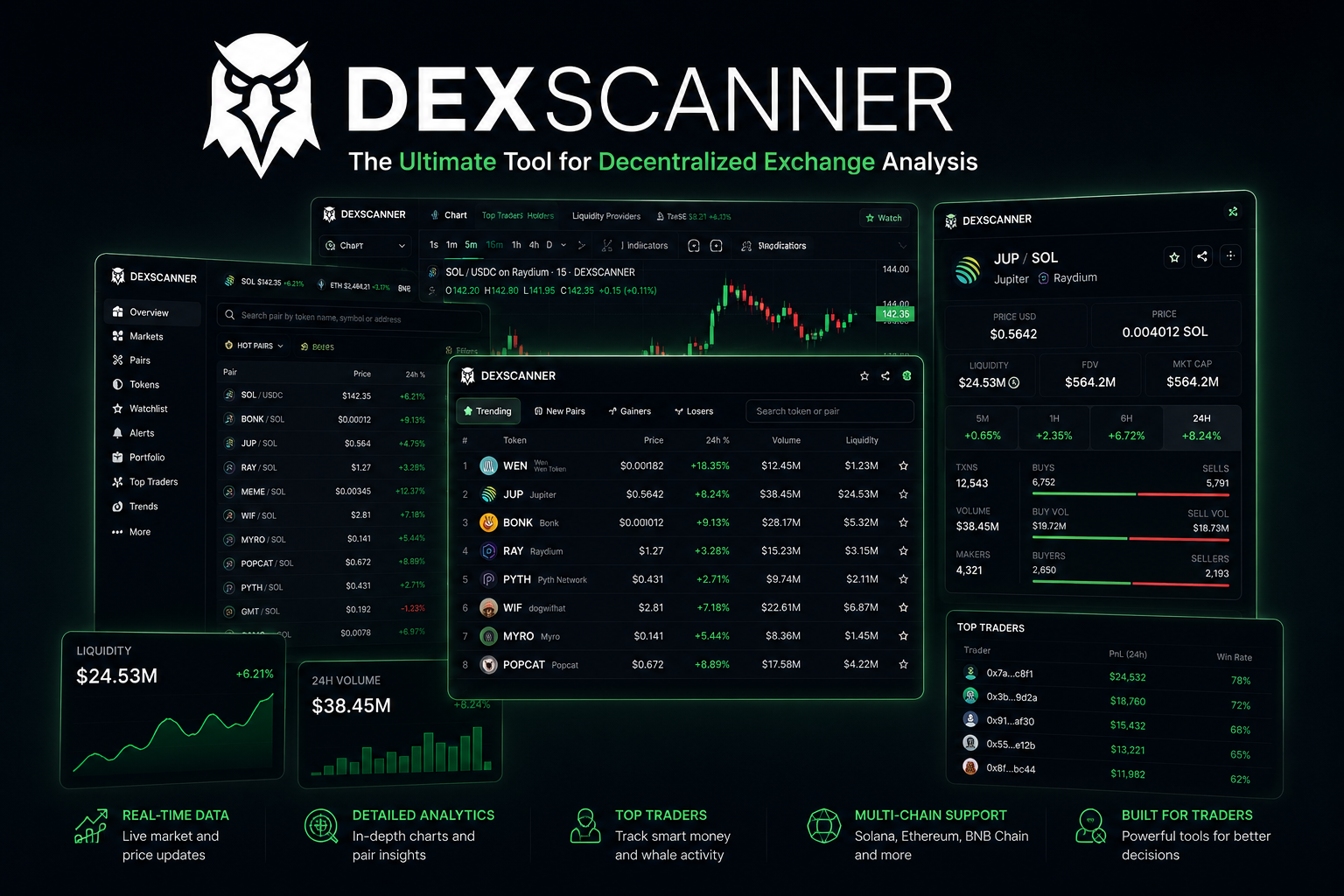
Beyond individual investor stories, memecoins as a category have periodically driven entire market cycles. During peak speculative periods, memecoin trading volumes have rivaled or even exceeded those of established cryptocurrencies, demonstrating just how much capital and attention this segment of the market can attract when sentiment turns bullish. Entire trading ecosystems — including specialized analytics platforms, trading bots, and dedicated media outlets — have emerged solely to serve memecoin traders.
The Brutal Lows: Rug Pulls, Scams, and Collapses
For every memecoin success story, there are countless others that ended in disaster. The same features that make memecoins accessible and exciting — low barriers to creation, minimal regulatory oversight, and hype-driven trading — also make them a breeding ground for scams and predatory schemes.
Rug Pulls
A “rug pull” occurs when the creators of a token suddenly withdraw all the liquidity from a trading pool, leaving remaining holders with worthless tokens they can no longer sell. Because anyone can create a memecoin and seed initial liquidity, malicious actors have repeatedly used the format to defraud unsuspecting buyers, sometimes generating substantial profits within hours before disappearing entirely.
Pump-and-Dump Schemes
Coordinated groups — sometimes organized through private chat groups — have been known to deliberately hype up an obscure token to attract retail buyers, only to sell off their own large holdings once the price spikes, crashing the value and leaving latecomers with significant losses. The anonymous and largely unregulated nature of memecoin trading makes this kind of manipulation difficult to detect and even harder to prosecute.
Extreme Volatility
Even legitimate memecoins without any malicious intent behind them are subject to extreme price swings. Because most memecoins lack the fundamental valuation anchors of traditional assets — no earnings, no cash flow, no tangible product — their prices are almost entirely a function of sentiment, which can shift dramatically and instantly. Double-digit percentage price swings within a single day are common, and total losses of invested capital are a very real possibility for anyone trading in this space.
Fake Tokens and Impersonation
The popularity of certain memecoins has also given rise to a cottage industry of copycat and impersonator tokens, designed to trick investors searching for a legitimate project into buying a fraudulent one with a similar name or branding. This underscores the importance of verifying official contract addresses and sources before making any purchase.
How Memecoins Are Evaluated (When They Can Be)
Traditional investment analysis — evaluating revenue, profit margins, competitive positioning, or growth potential — largely does not apply to memecoins. Instead, experienced participants in this market tend to look at a different set of indicators when trying to separate potentially interesting projects from obvious scams or dead-on-arrival launches.
Community strength and authenticity is often considered one of the most important factors. Genuine, organically growing communities tend to signal more staying power than artificially inflated follower counts or bot-driven engagement.
Liquidity depth matters significantly — tokens with very shallow liquidity pools are far easier to manipulate and far riskier to trade, since even modest buy or sell orders can cause dramatic price swings.
Contract verification and audits, while not eliminating risk entirely, can help identify obvious red flags such as functions that allow developers to mint unlimited new tokens or freeze holder wallets.
Distribution of token ownership is another key signal. If a small handful of wallets control a large percentage of a token’s total supply, the risk of a coordinated dump increases substantially.
Narrative durability — meaning whether a token’s underlying meme or cultural reference has staying power or is a fleeting, one-off trend — has increasingly become a factor that experienced traders weigh when deciding how long to hold a position.
None of these factors guarantee success, and it is important to understand that even careful analysis cannot eliminate the fundamentally speculative nature of this asset class.
The Regulatory Landscape
Regulators around the world have struggled to define exactly how memecoins should be classified and governed. Because most memecoins lack a centralized company, a formal business plan, or promises of profit tied to the efforts of a specific team, they often fall into a gray area that doesn’t cleanly fit into existing securities frameworks in many jurisdictions.
That ambiguity has allowed the memecoin market to grow largely unchecked, but it has also drawn increasing scrutiny. Regulatory bodies in major markets have opened investigations into specific memecoin launches — particularly those associated with public figures — over concerns related to market manipulation, insider trading, and misleading promotional practices. Some jurisdictions have begun exploring clearer guidelines specifically addressing meme-based tokens, while others have taken enforcement action against specific projects accused of fraud.
For everyday participants, the regulatory uncertainty surrounding memecoins is itself a risk factor. Sudden regulatory action against a specific token, platform, or launchpad can trigger significant price volatility, and investors in many countries have limited legal recourse if a project turns out to be fraudulent.
Memecoins vs. Traditional Cryptocurrencies and Altcoins
It’s worth clearly distinguishing memecoins from other categories of digital assets to understand where they fit into the broader crypto ecosystem.
Bitcoin was designed as a decentralized, scarce digital store of value — often compared to digital gold. Ethereum and similar “smart contract platforms” were built to enable decentralized applications, from finance to gaming to digital identity. Utility tokens are typically tied to a specific platform or service, deriving value from their function within that ecosystem — for example, paying transaction fees or accessing specific features.
Memecoins, by contrast, generally begin with no inherent utility at all. Their initial value proposition is purely cultural and social. Some memecoins eventually add utility — governance rights, staking rewards, integration with games or NFT platforms — but this is typically a secondary development rather than the core reason the token gained attention in the first place.
This distinction matters enormously for risk assessment. While all cryptocurrencies carry volatility risk, memecoins generally carry it to an extreme degree, precisely because they lack the fundamental anchors — adoption metrics, revenue, technical roadmaps — that can provide at least some grounding for valuation in other segments of the crypto market.
The Broader Economic and Cultural Impact
Beyond individual gains and losses, memecoins have had a measurable impact on the broader crypto industry and internet culture at large.
They have served as an on-ramp for millions of first-time crypto users, many of whom were drawn in not by an interest in blockchain technology but by curiosity about a viral trend or a friend’s success story. This has expanded crypto adoption in ways that more technical projects often struggle to achieve, even if the quality of that adoption — in terms of financial literacy and risk understanding — remains a subject of debate.
Memecoins have also influenced marketing and community-building strategies across the entire crypto industry. Even serious, utility-focused blockchain projects have adopted meme-style marketing tactics, community reward systems, and social-media-first strategies pioneered within meme culture, recognizing the undeniable power of community engagement as a growth driver.
Additionally, memecoins have become a genuine cultural phenomenon extending beyond financial markets. They regularly appear in mainstream news coverage, late-night television references, and everyday internet conversation — a level of cultural penetration that few other financial instruments have ever achieved.
The Future of Memecoins
As the memecoin market continues to evolve, several key trends appear likely to shape its future trajectory.
Utility integration is becoming increasingly common, as successful memecoin projects look to build lasting value beyond pure speculation — through gaming integrations, decentralized applications, staking mechanisms, and community governance structures.
AI-driven trading and analysis tools are becoming more prevalent, with traders increasingly relying on automated sentiment analysis, social media monitoring, and on-chain data tools to identify emerging trends before they go fully viral — a shift that is changing the speed and dynamics of memecoin trading.
Cross-chain expansion continues, with memecoin activity increasingly spreading across multiple blockchain networks rather than concentrating on a single chain, as traders seek out the lowest fees and fastest execution speeds.
Institutional curiosity, while still limited compared to other crypto assets, has grown somewhat as certain long-standing memecoins have demonstrated enough longevity and liquidity to attract attention from more traditional trading desks — though this remains a small and cautious segment of the overall memecoin market.
Regulatory clarity, whenever it eventually arrives in major markets, will likely reshape how memecoins are launched, marketed, and traded, potentially reducing some of the more egregious scam activity while also introducing new compliance burdens for legitimate projects.
What seems unlikely to change is the fundamental nature of memecoins as a culturally-driven, highly speculative asset class. As long as the internet continues to produce viral trends, and as long as financial markets continue to reward early recognition of cultural shifts, memecoins are likely to remain a permanent — if perpetually volatile — fixture of the digital asset landscape.
Practical Considerations for Anyone Exploring Memecoins
For readers considering entering this space, a few practical principles are worth keeping in mind, based on the patterns observed throughout the memecoin market’s history:
Only allocate capital you are genuinely prepared to lose entirely, given the extreme volatility and scam risk inherent to this asset class. Take time to research a project’s community, liquidity, and token distribution before purchasing, rather than buying purely based on hype or social media pressure. Be especially cautious of tokens promoted through aggressive, urgency-driven marketing tactics, as these are common hallmarks of pump-and-dump schemes. Always verify official contract addresses through multiple trusted sources before purchasing, to avoid falling victim to impersonator tokens. Recognize that past success stories, however dramatic, are not representative of typical outcomes, and the vast majority of memecoins ultimately lose most or all of their value over time.
None of this constitutes financial advice — the memecoin market remains one of the most unpredictable corners of an already unpredictable industry, and anyone participating should do so with clear eyes and careful risk management.
Frequently Asked Questions
What is the difference between a memecoin and a regular cryptocurrency? A memecoin is typically created around a joke, internet meme, or cultural reference and derives its value primarily from community engagement and social momentum rather than an underlying technological innovation or business use case, which is more commonly the driving factor behind other cryptocurrencies.
Are memecoins a good investment? Memecoins are considered extremely high-risk speculative assets. While some early investors in certain memecoins have realized significant gains, the overwhelming majority of memecoins lose most or all of their value over time. Anyone considering memecoins should treat them as speculative bets rather than traditional investments.
How are new memecoins created? Most new memecoins are created using no-code launchpad platforms that allow anyone to deploy a new token in minutes, typically using a bonding curve mechanism that automatically sets the token’s initial price based on buying activity.
What is a rug pull? A rug pull occurs when the creators of a token withdraw all liquidity from its trading pool, rendering the token effectively worthless and unsellable for remaining holders. This is one of the most common scams associated with memecoins.
Which blockchain is most popular for memecoins? Ethereum was historically the dominant network for memecoin creation, but Solana has become an increasingly popular choice due to its significantly lower transaction fees and faster processing speeds, which are especially valuable for high-frequency memecoin trading.
Can memecoins have real utility? Yes. While most memecoins begin with no functional utility, some projects have added features over time such as decentralized exchanges, staking mechanisms, gaming integrations, and governance systems, in an attempt to build longer-term value beyond pure speculation.
Conclusion
Memecoins occupy a strange and fascinating space at the intersection of finance, technology, and internet culture. What started as a lighthearted parody of an increasingly serious industry has grown into a multi-billion-dollar market capable of generating extraordinary wealth, devastating losses, and endless fascination in equal measure.
They are, in many ways, a mirror of the internet itself — chaotic, fast-moving, community-driven, and impossible to fully predict. Whether memecoins ultimately prove to be a lasting fixture of the financial world or a passing curiosity of a particular cultural moment remains to be seen. What’s clear is that they have already left a permanent mark on how the world thinks about the relationship between community, culture, and value in the digital age.
For those willing to approach this market with caution, curiosity, and a clear understanding of the risks involved, the world of memecoins offers a genuinely unique window into one of the strangest and most human corners of modern finance — where a joke, if it spreads far enough and fast enough, really can become gold.